F1 is booming right now, but not everyone is convinced that bigger automatically means better.
With new teams lining up and the grid possibly expanding, there’s a real debate about whether F1 is growing the right way – or just growing too fast.
Cadillac takes to the grid
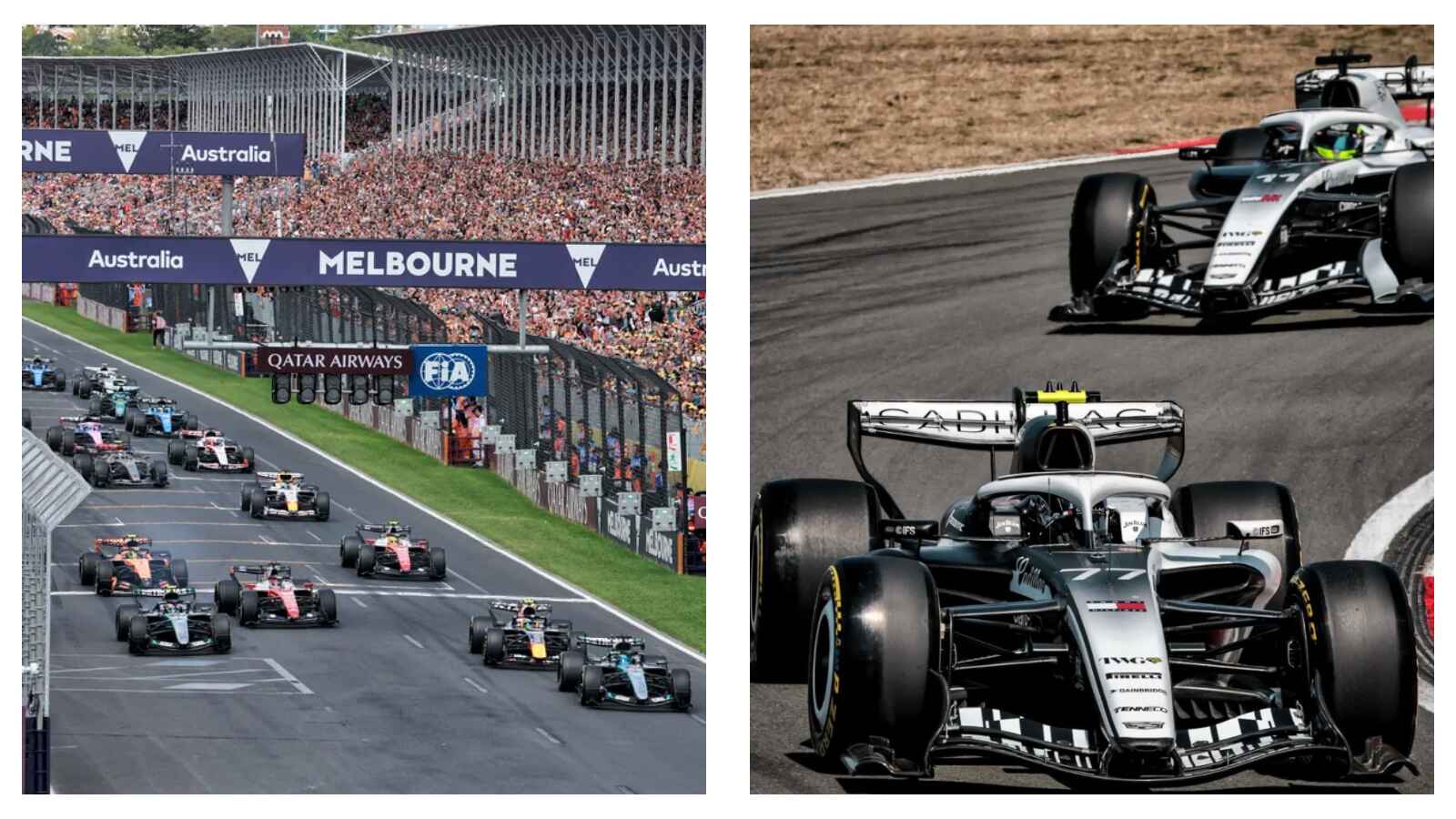
Cadillac, backed by General Motors, joined the F1 grid for the 2026 season.
This means F1 has more than 10 teams for the first time in a decade.
It is a huge deal, especially for fans in the USA, where F1 has exploded in popularity.
A new manufacturer brings fresh energy, new ideas, and more money into the sport, which is, of course, always welcomed.
However, at the same time, it is another team fighting for space and points in an already tight field.
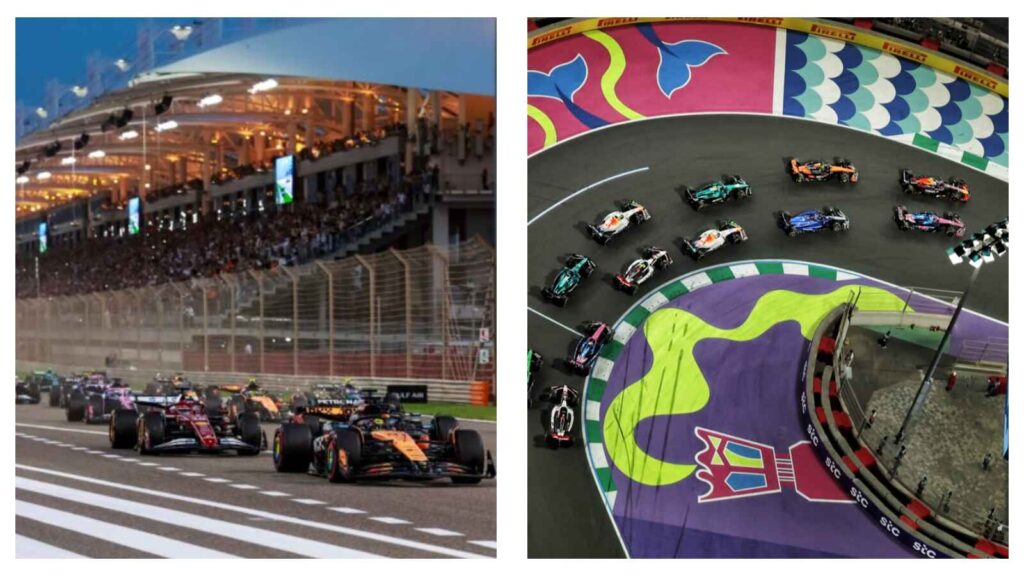
YOU MIGHT ALSO LIKE: F1 news: Bahrain and Saudi Arabian Grands Prix cancelled – what does this mean?
The rumour mill – is a 12th team joining?
Cadillac might not be the last edition.
There is currently talk about a possible 12th team joining the grid.
The biggest Chinese car manufacturer BYD is rumoured to be interested in and investigating a way into the sport.
BYD’s position as a leader in electric vehicles makes its venture into the sport logical, given F1’s move toward more electric power in the power units.
While the sport’s regulations allow for a 12th team, the leaders of the sport and its commercial operations have made it clear that expansion must benefit the sport long-term.
That’s the tricky part.
More teams sound exciting on paper, but if they’re not competitive or financially solid, it could end up doing more harm than good.
Challenges
There are already a few warning signs.
The cost cap was introduced to keep things fair, but adding more teams could stretch resources and make it harder to manage.
There is also the simple issue of space, as the tracks are already packed with 22 cars, and squeezing in more could get messy.
There is also the concern of performance gaps.
New teams usually take years to catch up, so we could see even bigger differences between the front and the back of the grid, which isn’t exactly great for racing.
READ MORE: Pundit analysis: Newcastle pity party & Cherki’s “showboating” beats Arsenal

Opportunities
However, more teams mean more seats.
This is a big win for the many young drivers in the lower categories trying to break into F1.
With the current grid as it is, it’s incredibly tough to get a seat, no matter how talented you are.
There have been many F2 champions in recent years who have gone forgotten without an opportunity for an F1 race seat.
Expanding the grid could give more rookies a shot and keep the driver lineup fresh.
Fans love seeing new faces come through and battle with established drivers, so this is one area where expansion could really pay off.
Will expansion dilute or strengthen the championship?
In the debate of whether all this growth is a good thing, it depends on how it is handled.
If new teams come in strong and competitive, it could make F1 even more exciting.
However, this is extremely difficult, and if the grid just gets bigger without improving the racing, it might start to feel watered down.
F1 is in a great place right now, but the next few decisions are crucial.
Get it right, and the sport keeps thriving.
Get it wrong, and it risks losing the balance that made it so popular in the first place.