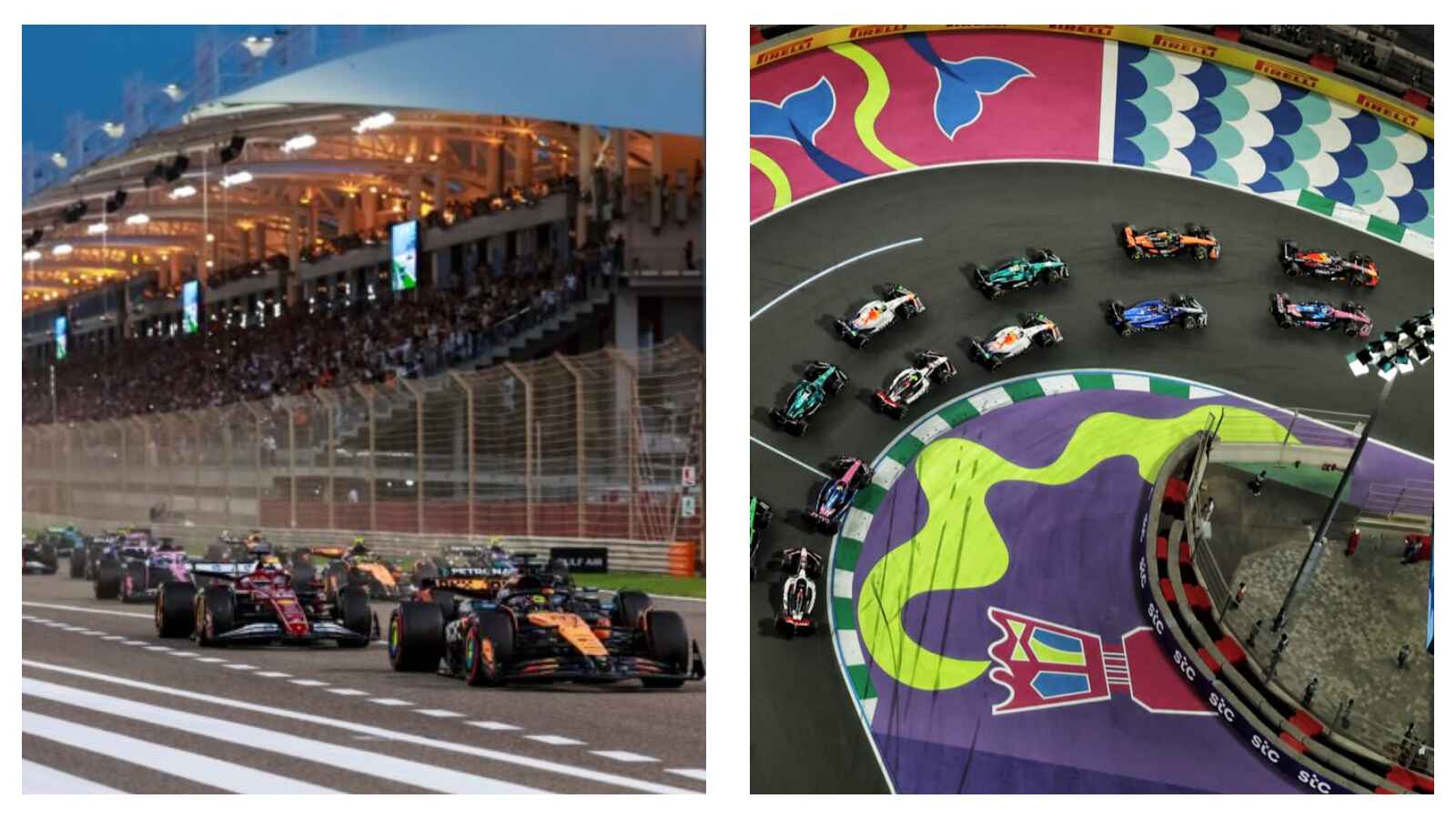
The F1 calendar has been disrupted with the cancellation of the Bahrain and Saudi Arabian Grands Prix due to conflict in the Middle East.
It’s a disruption that reaches far beyond the track, affecting both teams and the fans, writes Rant Sport‘s Ella Magyar.
Races cancelled due to conflict
The Bahrain and Saudi Arabian Grands Prix were set to take place on April 12 and April 19, respectively.
However, on March 14, the FIA issued a statement that the races “will not take place in April” and that “no substitutions will be made in April”.
The wording of the statement is crucial, as it did not include ‘cancellation’. Instead, it just said they “will not take place in April”.
This has left fans speculating whether the races will happen later in the year.
Regardless of the schedule changes, this disruption has key consequences for the sport, teams, and fans.
YOU MIGHT ALSO LIKE: F1 news: Juan Pablo Montoya slams Max Verstappen, Lando Norris and others for comments on 2026 regulations

What does this mean for the teams?
There are several consequences for the teams, some positive and some negative.
Firstly, the situation has led to a massive loss of money for the sport, money that would ultimately be partially distributed amongst the teams.
It isn’t just critical money that will be lost, but also data and information.
Without the races, teams miss out on crucial data they would have collected from the races for development purposes. Furthermore, this interruption will impact current development plans and schedules.
This means that teams will have to spend more time rethinking and reorganising their development programs.
Despite these negatives, the surprise five-week break may prove beneficial for some.
The break will give struggling teams more time to work out their issues, resolve gremlins and make potential breakthroughs in performance.
What does this mean for the fans?
For the fans, the cancellations are more frustrating than anything else.
Many will have already made plans around these races, only for them to be disrupted at short notice.
Most understand that circumstances can change, and safety is most important. Still, the repeated uncertainty around the calendar makes it hard to stay fully invested
When races suddenly disappear, it is not just the event that is lost. The experience the fans build around it is gone too.
The situation is made worse by the FIA’s largely vague statement about the cancellation of the races.
F1 relies heavily on its global fanbase, and moments like this can have fans feeling overlooked.
It also leaves fans without action for five weeks, a break even longer than the summer shutdown.
Ultimately, it is another reminder that while the sport continues to grow, maintaining transparency and consistency for fans remains just as important.
READ NEXT: NBA: Expansion is coming, but is it worth it?